
In this blog, we'll explore various substitutions, tips, and creative ideas for making a carrot-free carrot cake. We’ll also provide recipes that mirror the classic carrot cake taste, all without using the traditional root vegetable.
Why Use Carrots in Carrot Cake?
Before we dive into alternatives, it's important to understand why carrots are used in carrot cake in the first place. Carrots serve several purposes in the recipe:
Moisture: Carrots add moisture to the cake, keeping it tender and soft.
Natural Sweetness: Carrots are naturally sweet, reducing the need for excess sugar.
Texture: Grated carrots create a slightly fibrous texture that complements the cake's crumb.
Flavor: While subtle, the earthy sweetness of carrots contributes to the overall flavor of the cake.
With these elements in mind, any suitable substitute needs to fulfill one or more of these functions.
Substitutes for Carrots
There are a variety of vegetables and fruits that can replace carrots in carrot cake. These alternatives will maintain the moisture, sweetness, and texture of the original recipe while adding their own unique twists.
1. Zucchini
Zucchini is a fantastic carrot substitute due to its high water content and mild flavor. Much like grated carrots, shredded zucchini adds moisture to the cake without overwhelming it with flavor. The zucchini blends well with the warm spices typically used in carrot cake, such as cinnamon and nutmeg. Just make sure to squeeze out excess moisture from the shredded zucchini before incorporating it into the batter.
How to Use: Substitute an equal amount of shredded zucchini for the grated carrots in your recipe. About 2 cups of shredded zucchini will work for most carrot cake recipes.
2. Pumpkin
Pumpkin puree is another great alternative to carrots. It brings a similar earthy sweetness and a rich, smooth texture to the cake. Pumpkin also pairs well with the spices typically found in carrot cake, and its bright orange color gives the cake a similar appearance to one made with carrots.
How to Use: Replace the grated carrots with 1 cup of pumpkin puree. You may need to slightly adjust the liquid in your recipe, as pumpkin puree is wetter than grated carrots.
3. Sweet Potatoes
Sweet potatoes are naturally sweet and dense, making them a perfect stand-in for carrots in carrot cake. They have a similar texture when grated, and they help maintain the moist, tender crumb of the cake. The earthy sweetness of sweet potatoes complements the cake’s spiced flavor profile.
How to Use: Grate raw sweet potatoes and use them in the same quantity as you would grated carrots. About 2 cups of grated sweet potato should suffice for a typical recipe.
4. Butternut Squash
Butternut squash offers a slightly nutty flavor that enhances the cake’s complexity, and its texture mimics that of carrots when grated. Like sweet potatoes and pumpkin, butternut squash has a natural sweetness that works well in baked goods. This option is particularly appealing if you enjoy experimenting with flavors but still want a cake that closely resembles the classic.
How to Use: Grate raw butternut squash and use it in place of the carrots in equal amounts. About 2 cups will work, similar to the original carrot quantity.
5. Beets
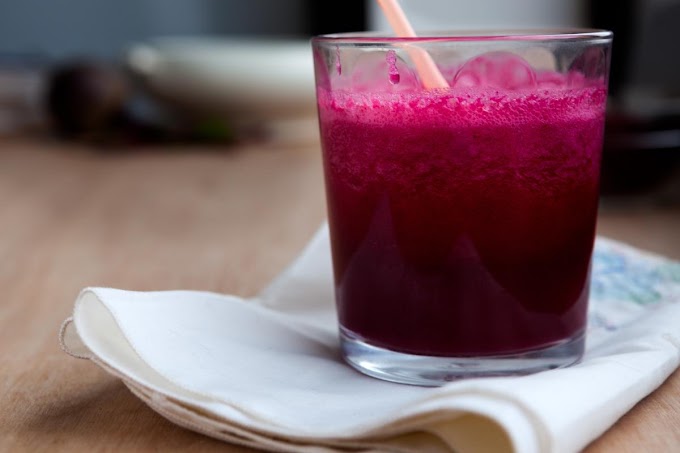
For those looking for something a little different, grated beets can be a fun option. Beets have a subtle sweetness and a texture that mimics grated carrots, but they’ll give your cake a vibrant reddish-purple hue. Beet cake pairs well with spices like cinnamon, cloves, and ginger, making it a unique and delicious alternative.
How to Use: Grate raw beets and use them in place of the carrots in equal amounts. You’ll need around 2 cups of grated beets for a standard recipe.
Adjusting the Flavor
One of the defining characteristics of carrot cake is its warm, spiced flavor profile. When you replace carrots with another ingredient, the flavor will inevitably change, but you can adjust the spices and other flavorings to maintain the essence of carrot cake. Here are a few tips for ensuring your cake still has that beloved carrot cake flavor:
Increase the Spices: Carrot cake typically includes cinnamon, nutmeg, ginger, and sometimes cloves or allspice. If you're using a substitute like zucchini or sweet potato, which have milder flavors, consider increasing the amount of spices to enhance the cake’s warmth.
Add Nuts or Raisins: Including chopped nuts (like walnuts or pecans) and raisins or sultanas can help recreate the familiar textures and flavors of a classic carrot cake.
Boost Sweetness: Some substitutions, like zucchini, are less sweet than carrots. If you feel that your cake lacks sweetness, you can add a touch more sugar or honey to balance it out.
Experiment with Extracts: A splash of vanilla extract, orange zest, or even a bit of maple syrup can elevate the flavor of your cake and complement the spices.
Cream Cheese Frosting
No carrot cake is complete without a rich, tangy cream cheese frosting. Even though your cake won't contain carrots, the cream cheese frosting will maintain the classic pairing. It adds a velvety richness that contrasts beautifully with the spice-filled cake. Here’s a simple recipe for cream cheese frosting:
Ingredients:
8 oz (225g) cream cheese, softened
1/4 cup (60g) unsalted butter, softened
2 cups (240g) powdered sugar
1 tsp vanilla extract
Instructions:
Beat the cream cheese and butter together until smooth and creamy.
Add the powdered sugar gradually, beating until fully incorporated.
Stir in the vanilla extract and mix until the frosting is light and fluffy.
Spread the frosting over your cooled cake, and enjoy!
Carrot-Free Carrot Cake Recipe: Zucchini Edition
Here’s a simple recipe for a carrot cake made with zucchini instead of carrots:
Ingredients:
2 cups grated zucchini (squeezed of excess moisture)
1 1/2 cups flour
1 tsp baking powder
1/2 tsp baking soda
1/2 tsp salt
1 tsp cinnamon
1/2 tsp nutmeg
1/2 cup vegetable oil
3/4 cup sugar
2 large eggs
1 tsp vanilla extract
1/2 cup chopped walnuts or pecans (optional)
1/2 cup raisins (optional)
Instructions:
Preheat your oven to 350°F (175°C). Grease and flour a 9-inch round cake pan.
In a large bowl, whisk together the flour, baking powder, baking soda, salt, cinnamon, and nutmeg.
In a separate bowl, beat together the oil, sugar, eggs, and vanilla extract until smooth.
Stir the wet ingredients into the dry ingredients until just combined.
Fold in the grated zucchini, nuts, and raisins.
Pour the batter into the prepared pan and bake for 35–40 minutes or until a toothpick comes out clean.
Let the cake cool before frosting with cream cheese frosting.
Final Thoughts
Making a carrot cake without carrots is not only possible but can be a fun and creative way to experiment with flavors and ingredients. Whether you opt for zucchini, sweet potatoes, or beets, you can still enjoy the warm, spiced essence of a classic carrot cake with a unique twist. Give these substitutions a try, and you might just discover a new favorite dessert!



Social Plugin